


-

Add: HeBei ShengShi HongBang Cellulose Technology CO.,LTD.
-

Email
13180486930@163.com -

CONTACT US
+86 13180486930

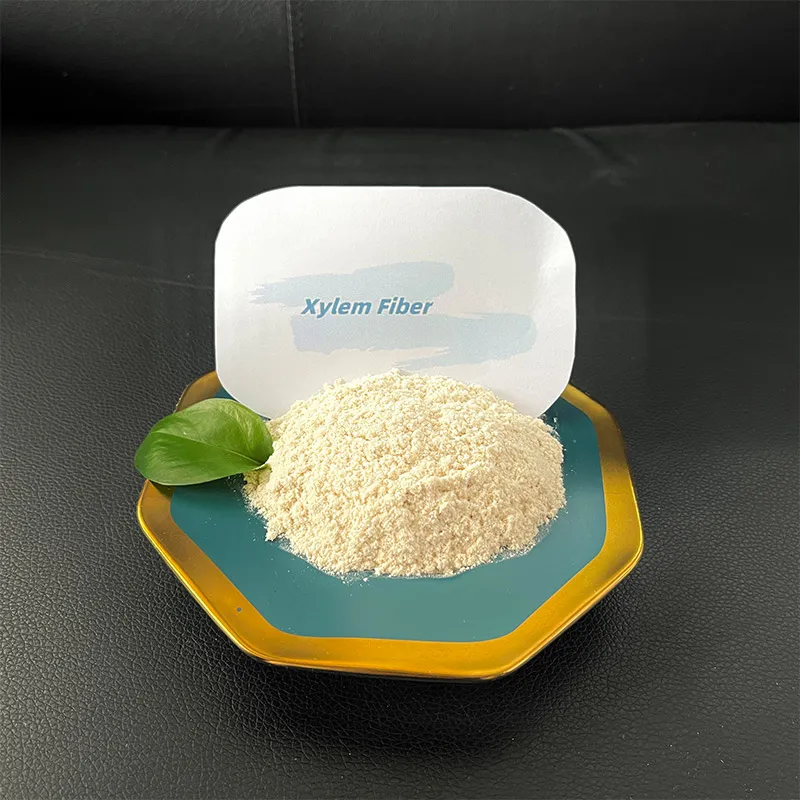
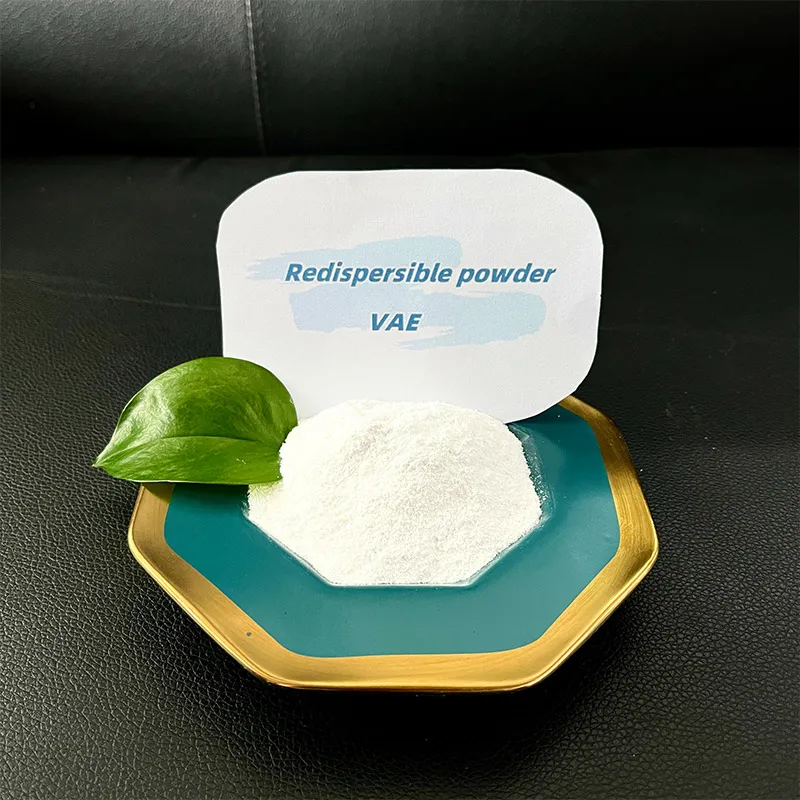



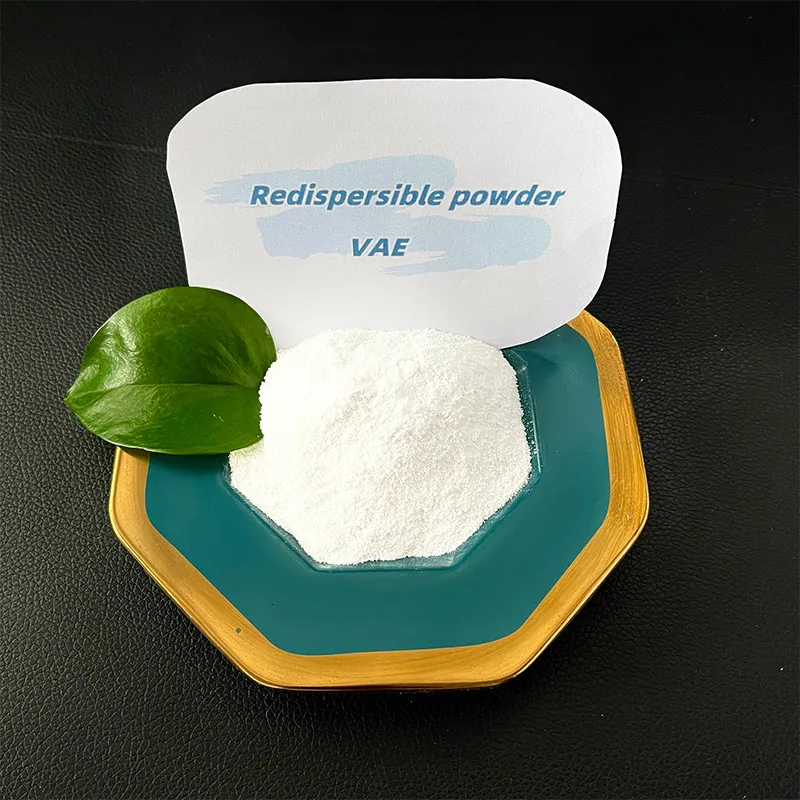
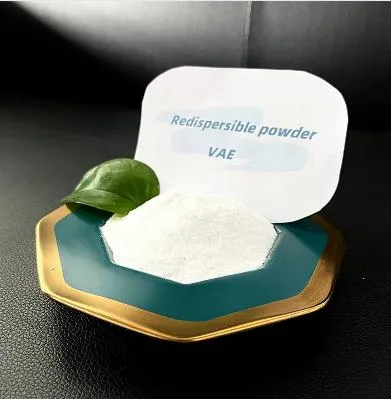
Polymer powder is a key ingredient in many industries, providing critical properties to products in construction, adhesives, coatings, and more. With its wide range of applications, polymer powder enhances the performance, durability, and flexibility of finished products. Available in various forms, polymer powder s can be tailored to meet the specific needs of different applications, making them a versatile choice for manufacturers worldwide. Whether you're working in construction, paints, or textiles, polymer powder offers the ideal solution for improving your products’ functionality. Explore Our Range of Colored Polymer Powder If you need vibrant, long-lasting colors in your products, colored polymer powder is the way to go. Whether you're producing construction materials, decorative coatings, or consumer goods, colored polymer powder offers an efficient way to introduce rich, stable colors into your products. Our premium colored polymer powder is designed to maintain its brightness and consistency, ensuring your products stand out. With a wide selection of shades, you can achieve the exact color you need while maintaining high quality and performance. The Benefits of Redispersible Polymer Powder Redispersible polymer powder is a game-changer in many industrial applications. Unlike traditional resins, redispersible polymer powder can be re-dispersed in water to create a solution, which offers greater convenience and efficiency for various processes. Widely used in adhesives, tile grout, and plaster, redispersible polymer powder enhances bonding strength, flexibility, and durability. This type of polymer powder is particularly valued in the construction and building materials sectors, providing superior performance while reducing transportation and storage costs. Discover the many benefits of using redispersible polymer powder in your formulations today. What Influences Polymer Powder Price? When considering polymer powder price , it’s important to understand the factors that affect the cost. The polymer powder price can vary depending on the type of polymer used, the quantity purchased, and the specific application for which the powder is intended. High-performance polymer powder may be priced higher due to its specialized formulations, while larger orders typically reduce the cost per unit. Additionally, polymer powder price can also depend on the presence of additives, colorants, and whether the polymer powder is customized for particular applications. To ensure you're getting the best value for your needs, always consider both the performance and the cost-effectiveness of the polymer powder price . Why Choose Our Polymer Powders for Your Business? Our polymer powder products are crafted with the highest standards of quality and performance, ensuring that your manufacturing processes run smoothly. From colored polymer powder to redispersible polymer powder , we offer a comprehensive selection that suits a wide variety of industries. Our polymer powder solutions are designed to enhance the quality of your final products, increase production efficiency, and offer cost-effective solutions for your business. With competitive polymer powder price s, we guarantee the best value for your investment. Whether you need a specialized formula or a standard polymer powder , our products are the perfect addition to your production line. Polymer Powders FAQs What is polymer powder? Polymer powder is a fine, dry material made from polymers, typically used in various industrial applications to improve the properties of products like adhesives, coatings, and construction materials. It is valued for its ability to enhance flexibility, strength, and durability in the final product. Polymer powder can come in different types, such as colored polymer powder or redispersible polymer powder , each serving specific functions depending on the industry. What is colored polymer powder used for? Colored polymer powder is primarily used to add vibrant colors to products such as construction materials, coatings, and consumer goods. The color pigments are stable and long-lasting, ensuring that the final product maintains its color over time, even under challenging conditions. It’s ideal for applications where both color and performance are important, making it perfect for industries like construction, automotive, and packaging. What is redispersible polymer powder and how is it used? Redispersible polymer powder is a special type of polymer powder that can be re-dispersed in water, forming a solution that can be easily applied in a variety of industrial processes. It’s commonly used in adhesives, tile grouts, and plaster, where it improves bonding strength, flexibility, and water resistance. The ability to re-dispense the polymer powder in water makes it a more convenient and cost-effective solution for many manufacturing processes. How does the polymer powder price vary? The polymer powder price depends on several factors, including the type of polymer used, the quantity purchased, and whether any special additives or colors are involved. Specialty redispersible polymer powder sand colored polymer powder s often come at a higher price due to their advanced formulations. Additionally, larger volume purchases can reduce the polymer powder price per unit, offering better cost-effectiveness for bulk orders. Why should I choose your polymer powders? Our polymer powder sare craftedto meet the highest standards of quality, ensuring that your products perform at their best. We offer a wide selection of colored polymer powder s and redispersible polymer powder s, all designed to enhance the durability, flexibility, and performance of your products. Our polymer powder price is competitive, offering you the best value for your investment. Whether you’re in construction, coatings, or any other industry, we have the perfect polymer powder solution for you.
- 40000tons

Production
- 20+years

Experience
- 5000+㎡

Acreage

-
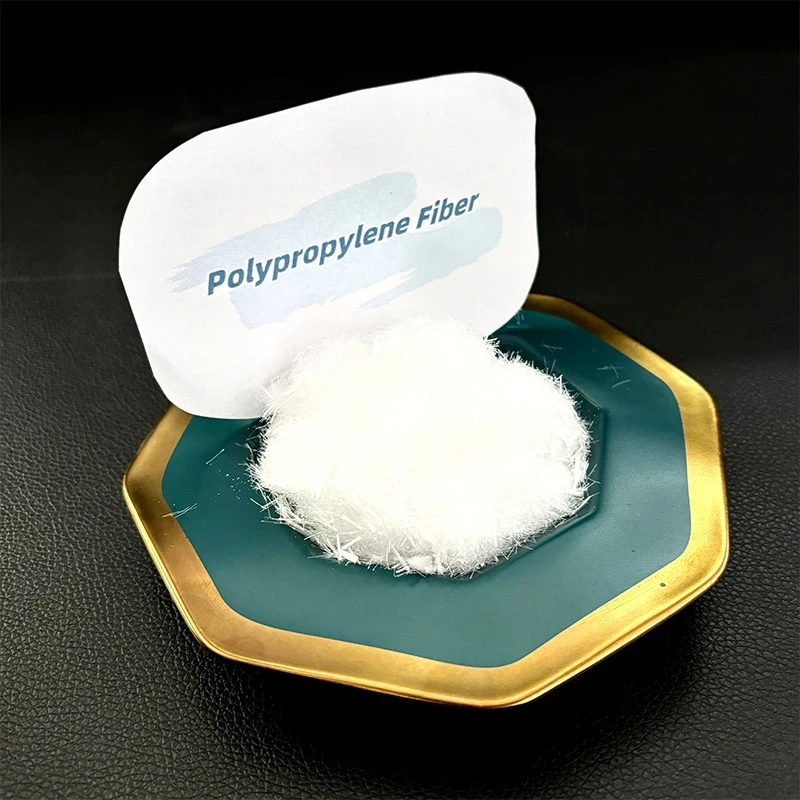
The Growing Importance of PP Fiber Concrete in Modern Construction In the ever-evolving landscape of construction materials, polypropylene (PP) fiber concrete has emerged as a noteworthy innovation that enhances the performance of traditional concrete. This article explores the significance of PP fiber concrete, its properties, applications, and the benefits it brings to modern construction. Understanding PP Fiber Concrete PP fiber concrete is a composite material that incorporates polypropylene fibers into traditional concrete mix. These fibers, typically ranging from 0.5 to 1.5 inches in length, are designed to improve the structural integrity of the concrete. They act as reinforcement, providing a secondary layer of strength that helps to mitigate various forms of damage that can occur during curing and throughout the life of the structure. Key Properties of PP Fiber Concrete One of the most notable properties of PP fiber concrete is its ability to reduce plastic shrinkage cracking. During the curing process, traditional concrete is susceptible to environmental factors such as temperature fluctuations and evaporation of moisture, which can lead to stress and cracks. The integration of polypropylene fibers helps to control these cracks by providing a linking mechanism, which allows stress to be distributed more evenly throughout the concrete. In addition to crack resistance, PP fiber concrete also offers enhanced toughness and impact resistance. The fibers absorb and dissipate energy when forces are applied, making it suitable for applications where durability is paramount. Moreover, the use of PP fibers improves the concrete's resistance to freeze-thaw cycles, making it an ideal choice for structures exposed to varying climatic conditions. Applications of PP Fiber Concrete The versatility of PP fiber concrete lends itself to a wide range of applications across various sectors of the construction industry. It is commonly used in - Industrial Flooring Due to its high durability and resistance to impact, PP fiber concrete is often utilized for industrial flooring where heavy machinery operates. The fibers help to maintain the structural integrity even under heavy loads. pp fiber kongkreto - Pavements and Roads The use of PP fiber in pavement designs has shown to improve the longevity of roads and pavements. It helps reduce wear and tear caused by traffic, leading to lower maintenance costs over time. - Precast Elements In the production of precast concrete components such as walls, beams, and slabs, incorporating PP fibers can enhance performance and reduce the risk of cracking during casting and transportation. - Water Retaining Structures PP fiber concrete is also beneficial in the construction of water tanks and reservoirs, as it minimizes the risk of leakage that can arise from cracking. Benefits of Using PP Fiber Concrete The adoption of PP fiber concrete presents multiple advantages beyond enhanced performance. Firstly, it can lead to significant cost savings over the life cycle of a structure. By reducing the incidence of cracking and the need for repairs, construction companies can optimize their budgets and allocate resources more efficiently. Secondly, the use of PP fibers can contribute to more sustainable construction practices. A lower incidence of repair and maintenance means that materials are conserved, and waste is minimized, aligning with environmentally friendly building standards. Lastly, the integration of PP fibers into concrete mixes is straightforward and does not require specialized equipment. This ease of incorporation allows for its adoption in various construction scenarios without significant changes to existing processes. Conclusion As the construction industry continues to face challenges related to durability, sustainability, and cost efficiency, the emergence of materials like PP fiber concrete represents a significant advancement. Its ability to enhance concrete's performance while providing practical solutions for modern construction needs positions it as a valuable asset in the quest for more resilient infrastructure. With the ongoing research and development in this field, PP fiber concrete is set to play a crucial role in shaping the future of construction.
-
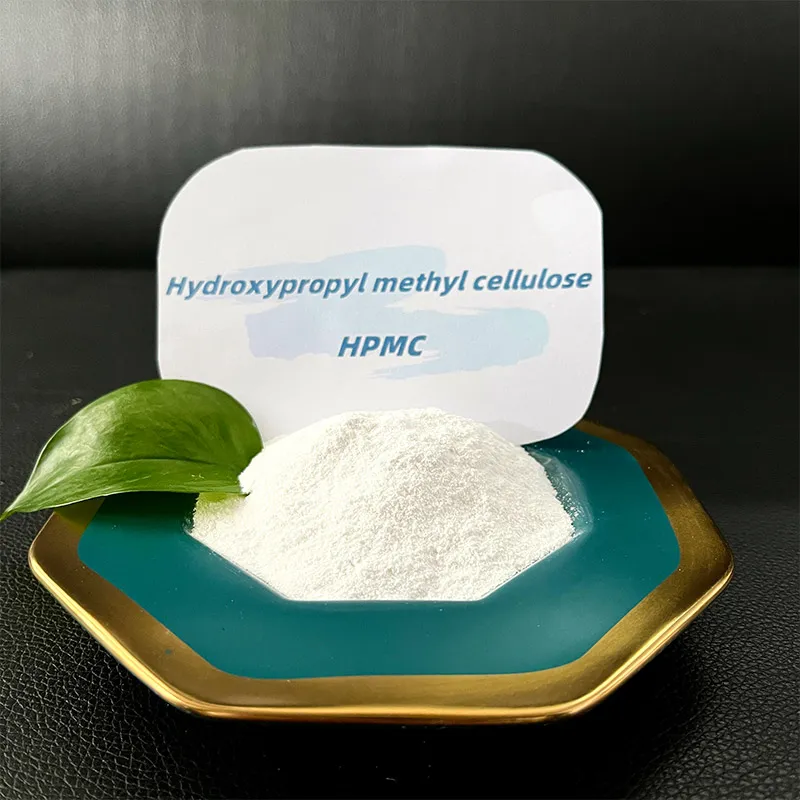
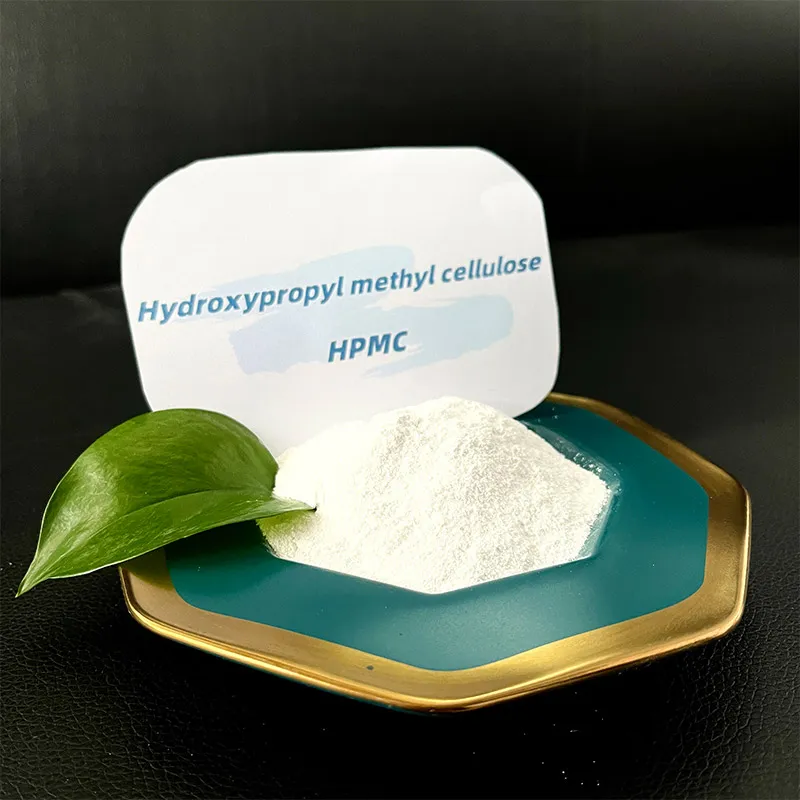
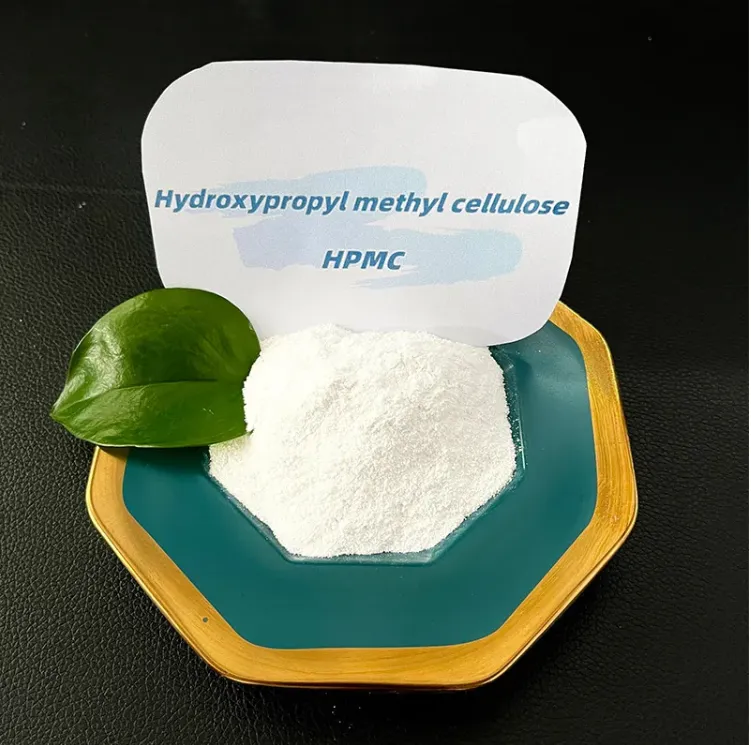
Hydroxypropyl methylcellulose (HPMC) and carboxymethyl cellulose (CMC) are two of the most widely used cellulose derivatives in various industries, including pharmaceuticals, food production, and construction materials. Understanding the distinctions between these two compounds can significantly enhance product formulation and application efficiency . HPMC and CMC share a common cellulose backbone, but the chemical modifications and substituted groups differentiate their properties and functionalities. Hydroxypropyl methylcellulose is modified by the addition of methoxy and hydroxypropoxy groups. These chemical modifications impart valuable properties like thermal gelation, water retention, and film-forming capabilities, making HPMC ideal for use in tile adhesives, pharmaceuticals, and food products. On the other hand, carboxymethyl cellulose is primarily characterized by the carboxymethyl groups attached to the cellulose backbone. This gives CMC its high viscosity, excellent water solubility, and emulsifying properties. Such characteristics make CMC particularly useful as a thickener and stabilizer in sauces, dressings, and other culinary products as well as in personal care items like toothpaste and lotions. In terms of application in the pharmaceutical industry, HPMC is favored due to its high thermal gelation properties and its ability to function as a release rate controller in oral medicines. HPMC’s safety and inertness make it an excellent choice for use in sustained-release tablet formulations. This ability to effectively modulate drug release profiles significantly contributes to patient compliance and therapeutic efficacy. Furthermore, HPMC’s film-forming capabilities are essential in the coating of tablets, imparting stability and aesthetics while ensuring functionality. Conversely, CMC is instrumental in the formulation of liquid pharmaceuticals where thickening and stability are required. Its high viscosity makes it an ideal candidate for suspensions and liquid syrups, where even distribution and homogeneity of the active ingredient are crucial. difference between hpmc and cmc In the food industry, HPMC proves to be an invaluable tool where thermal gelation and fat reduction are desired without compromising texture. For example, in low-fat ice creams, HPMC stabilizes the emulsion and provides a creamy texture. CMC, however, is often chosen for baked goods to enhance mouthfeel and improve moisture retention, vital for shelf-life extension. The environmental impact and biodegradability of these cellulose derivatives also play a critical role in their selection for specific applications. Both HPMC and CMC are biodegradable and non-toxic, which align with the growing trend toward environmentally friendly and sustainable products. However, the production processes and raw material sourcing can vary, which may influence the ecological footprint of each product. Professionals in construction also leverage the unique strengths of these compounds. HPMC's ability to retain water and provide smooth application makes it ideal for cement and gypsum-based products, improving workability and performance under various environmental conditions. Meanwhile, CMC’s excellent rheological properties are appreciated in the suspension and stability of paints and coatings. In summary, while HPMC and CMC are both cellulose-derived, their unique chemical structures provide distinct advantages across different sectors. HPMC excels in applications requiring gelation, film formation, and controlled release, whereas CMC is preferred for its viscosity, solubility, and stabilizing properties. Selecting between HPMC and CMC should be guided by specific product requirements, industry standards, and desired characteristics, ensuring that each application achieves optimal performance. Such informed decisions not only enhance product quality but also build trust and credibility, aligning with the modern consumer's demand for transparency and reliability.
advantages
-

200000 Viscosities
Excellent product
We can produce pure products up to 200,000 viscosities
-

40000 tons
High yield
We don’t stop production all year round, and the annual output can reach 40,000 tons
-

24 hours
Quality service
We provide 24-hours online reception service, welcome to consult at any time
———— Inquiry Form
Schedule A services


-
 grades_of_hpmc
Oct . 25, 2025
Methylcellulose artificial tears have emerged as a significant innovation in the field of ophthalmol -
 starch_eter_sa_tile_adhesive
Oct . 25, 2025
High Performance Computing (HPC) and Hydroxypropyl Methylcellulose (HPMC) might seem like disparate -
 cellulose_of_wood
Oct . 25, 2025
Understanding Methyl Cellulose and Its Pricing Dynamics Methyl cellulose, a water-soluble polymer de


